News
1/17/25
Worst Invasive Species In Florida
many of Florida's native species increasingly face threats, including those posed by human activities and loss of habitat. On top of this, there are several invasive species that crowd out native species, take their food, and even prey on their eggs.
Nicknamed the "Sunshine State," Florida continues to draw tourists and new residents thanks to its weather and activities. Florida is also arguably one of the most fascinating and diverse areas on the planet. In fact, the region has more than 80 ecosystems. Among these include wetlands, coastal waterways, rivers, forests, and more, all of which numerous native species depend upon.
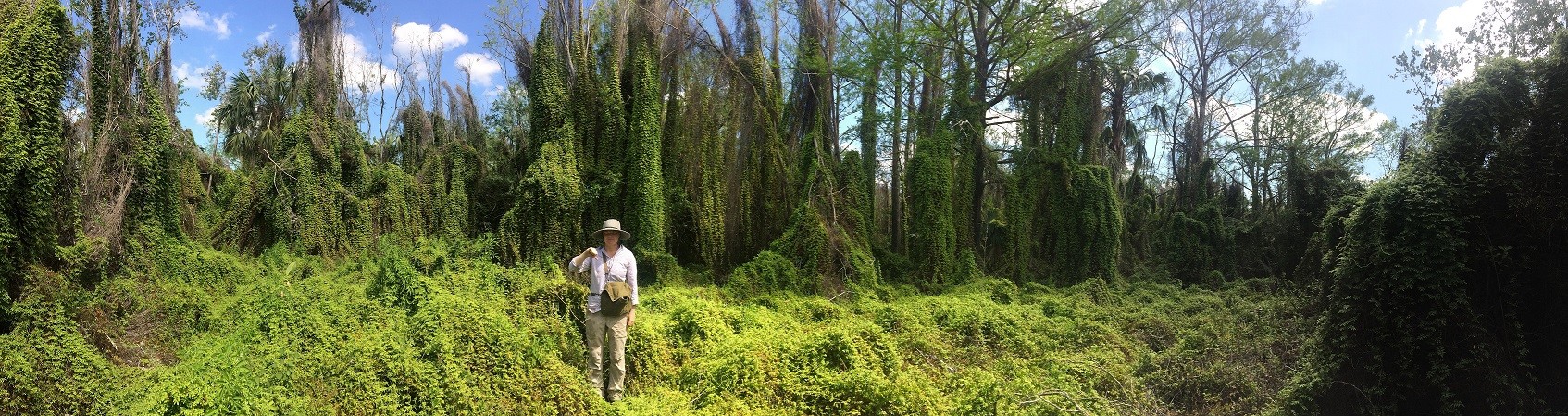
Unfortunately, many of Florida's native species increasingly face threats, including those posed by human activities and loss of habitat. On top of this, there are several invasive species that crowd out native species, take their food, and even prey on their eggs. Without costly intervention, the impacts of invasive species in Florida can be catastrophic and lead to permanent changes in ecosystems throughout the state. Furthermore, some invasive species can impact homes, recreational areas, and even spread diseases to humans. While the number of invasive species continue to rise, there are several plants and animals that rank among the very worst in this state.
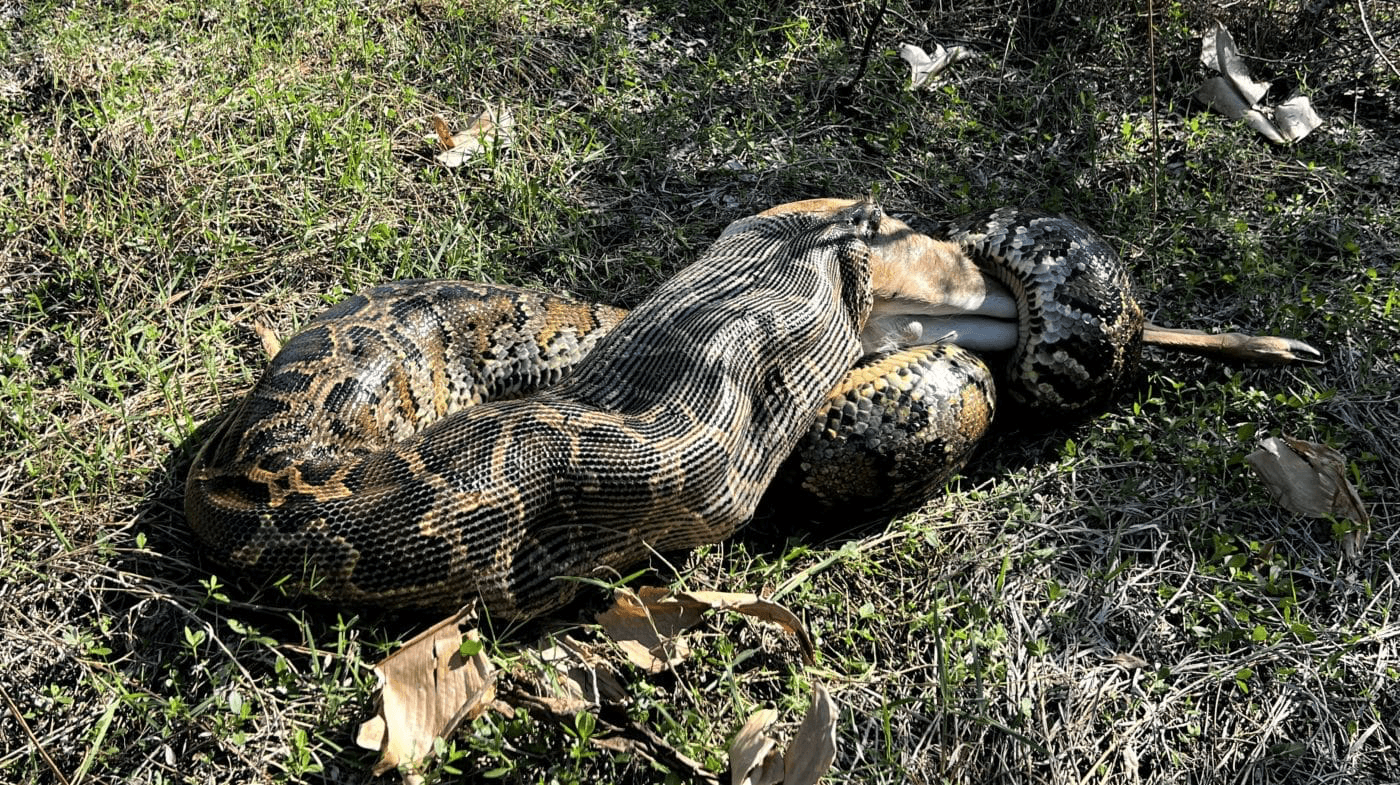
1. Burmese Python
Apex predator that decimates native wildlife populations, including deer and small alligators.
18–20 ft pythons are a danger to humans.
Estimated population: ~300,000
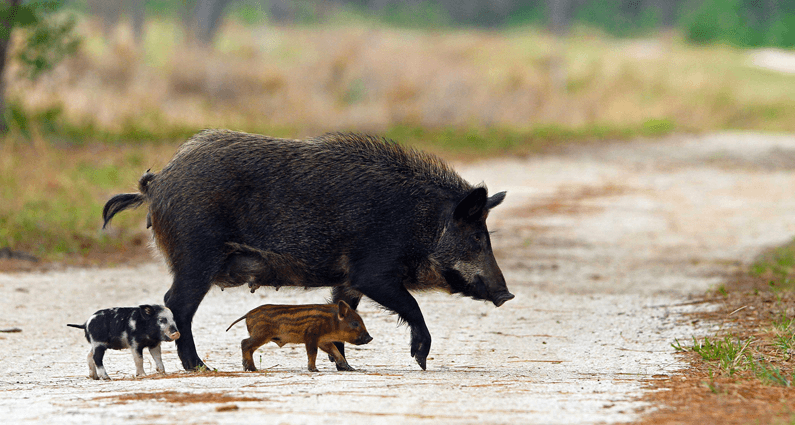
2. Feral Hogs
Destroy crops, compete with native wildlife, and spread diseases.
Estimated population: at least 500,000
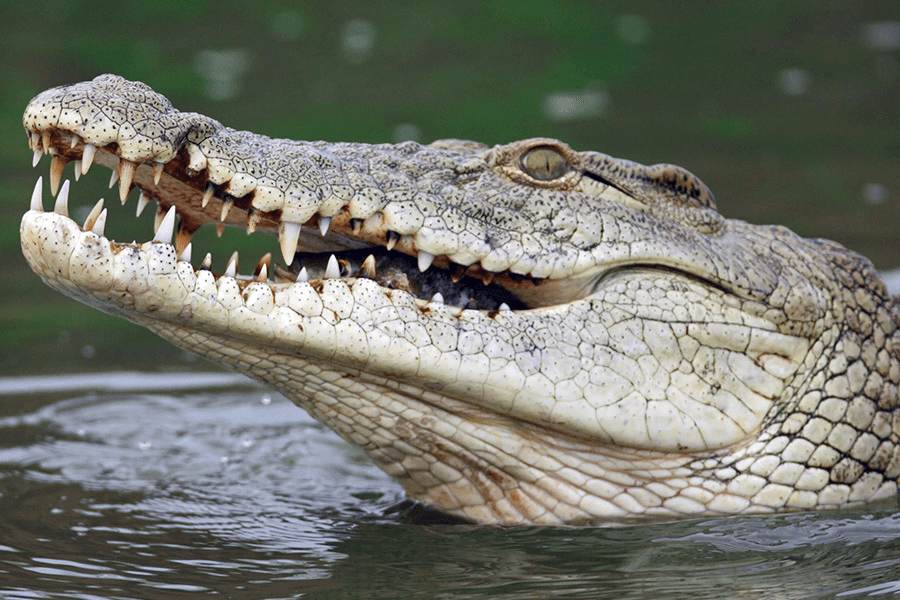
3. Nile Crocodiles
Extremely dangerous to native wildlife and humans due to aggressive nature.
Can grow 18–20 ft in length.
Estimated population unknown; confirmed sightings in South Florida.
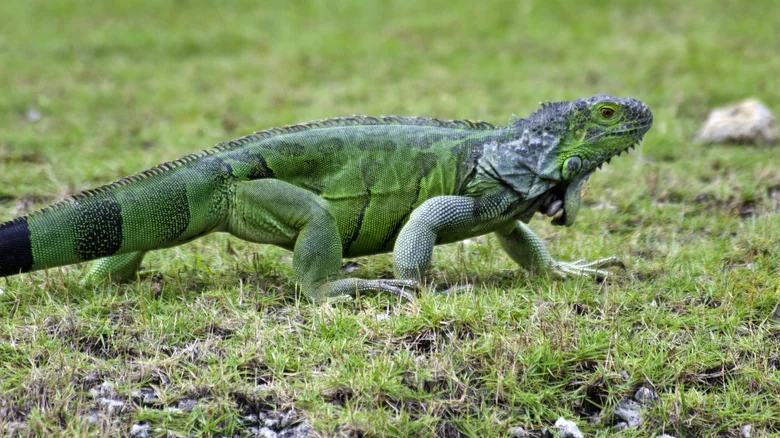
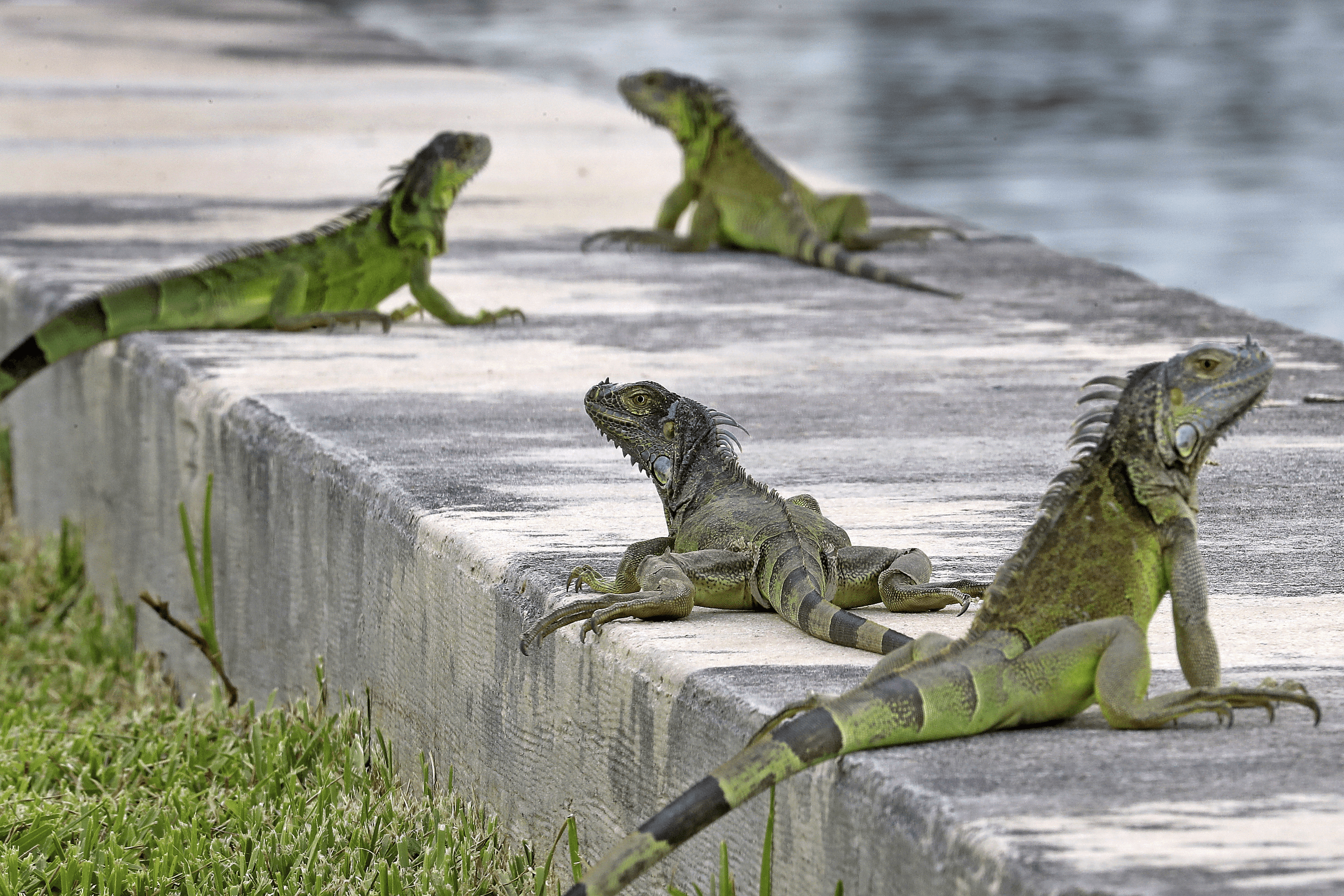
4. Green Iguana
Damages gardens, undermines infrastructure, consumes native plants, and spreads disease through droppings.
Estimated population: tens of thousands in South Florida.
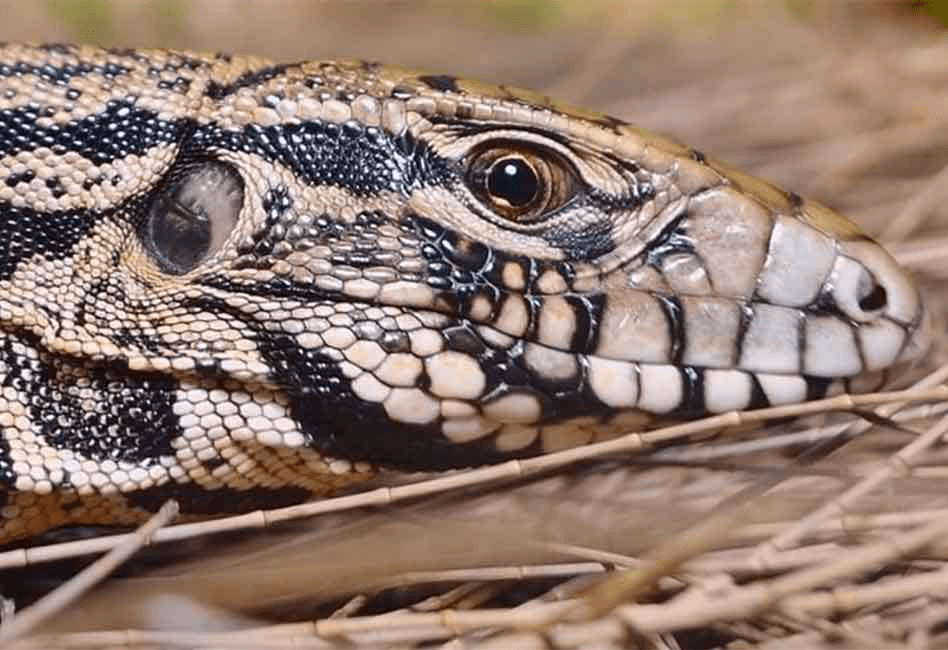
5. Argentine Black and White Tegu Lizard
Predators of native birds and small mammals.
Estimated population: at least 10,000 in South Florida
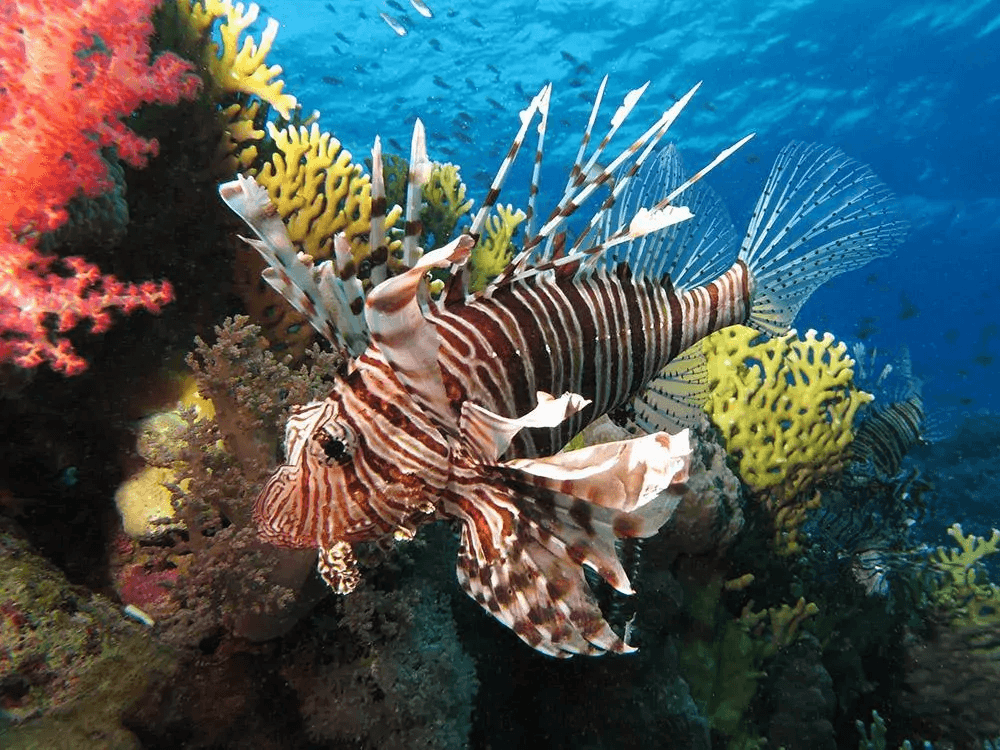
6. Lionfish
Voracious predators of native fish along Florida’s coastline and reefs.
Estimated population: tens of thousands